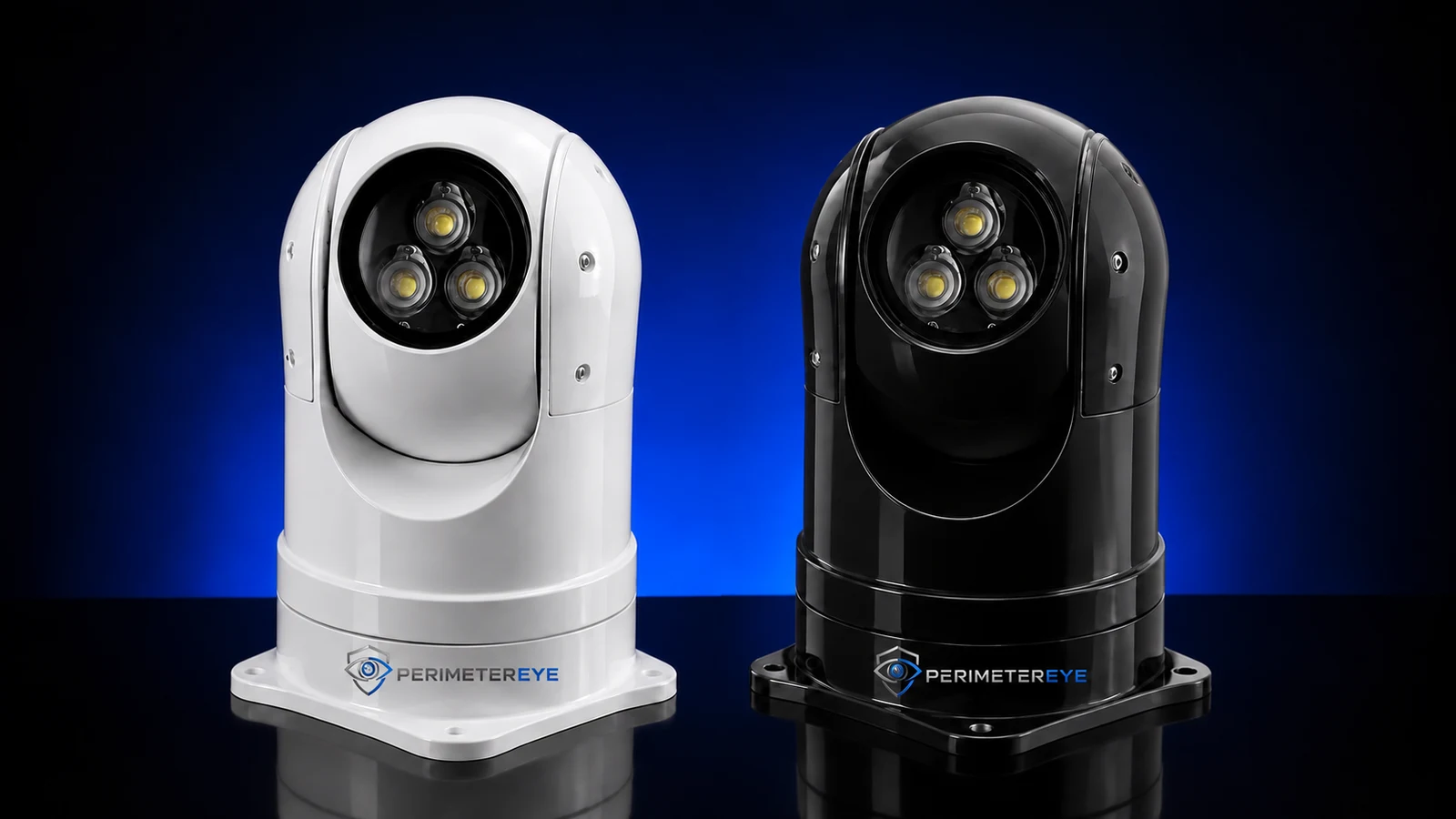
Adaptive Property Mode

Visitor Welcome Mode

Built for the days you're hosting — parties, gatherings, and expected guests.

You don't need a special mode for everyday life — Active mode already recognizes deliveries, mail carriers, and routine visitors automatically.

Visitor mode is for the moments you're expecting people: cameras greet guests with spoken welcome messages when they first arrive, spotlights can light the way and help coordinate guest parking, and you get a heads-up the moment the first guests pull in.

Visitor Welcome active
Front entry
Guest path
Guest parking
Driveway
Guest arrival recognized
Welcome played
Owner notified
Timeline updated

Why Visitor Welcome Mode Exists

Hosting Deserves Its Own Property Behavior

Active mode already handles everyday life automatically — deliveries, mail carriers, family arrivals — with no arming or disarming to think about. Visitor mode exists for something different: the days you're hosting. When you're expecting guests, the property shifts from watching for the unexpected to actively welcoming the expected.

Welcome messages

Cameras greet guests with a friendly spoken welcome the moment they first arrive.

Spotlight-guided parking

Tracking spotlights can light the way and help coordinate where your guests park.

First-arrival notification

Get a heads-up the moment the first guests pull in, so nobody waits at the door.

Front-entry visibility

Keep clear awareness around porches, doorways, and guest paths while you host.

Driveway coordination

See arrivals as they happen and keep event parking organized.

Event timeline

Every arrival is organized into your timeline, so you can see who came and when.

Smart Visitor Awareness

Built Around Hosting And Expected Guests

Visitor mode is built for events: spoken welcome messages for arriving guests, spotlights that light the way and help coordinate parking, a notification when the first guests arrive, and a timeline of the whole gathering. The property stays aware while feeling genuinely welcoming.

Spoken welcome messages
Spotlight-guided guest parking
First-arrival notification
Front-entry coverage
Driveway coordination
Event timeline replay
Deliveries? Already Handled.

You Don't Need Visitor Mode For Deliveries

Package Detection and Delivery Guidance work exactly the same in every mode except Off and Quiet. Active mode — the mode your property lives in — fully recognizes mail carriers and delivery drivers and will never spotlight or warn them. Switch to Visitor mode when you're hosting, not when you're expecting a package.

Front-Entry Awareness

More Than A Traditional Doorbell Camera

While you host, the property keeps working in the background: guest arrivals recognized, front entries visible, driveway activity organized — all without an aggressive security posture.

Guest arrival awareness
Front-entry visibility
Driveway activity awareness
Guest notifications
Mobile alerts
Event history replay
Calm Property Behavior

Aware Without Feeling Aggressive

Visitor mode keeps the property intelligent and responsive without creating a high-alert atmosphere for the people you invited. Welcome messages replace warnings, spotlights guide instead of confront, and the system stays aware in the background while you focus on your guests.

Security should adapt to real life.

Property Modes

Part Of Adaptive Property Modes

PerimeterEye Property Modes allow homeowners to instantly change how the property behaves depending on the situation.

Explore Property Modes
1

Off

Completely off — nothing watched, nothing recorded.

2

Quiet

Cameras record passively while everything else stands down.

3

Visitor

Welcomes expected guests and helps coordinate events.

4

Active

The set-and-forget mode your property lives in — it handles everyday life automatically.

5

High Alert

For when nobody should be coming by right now.

6

Maximum Security

Keeps everyone off, with plain-language exceptions you can type in.

Platform Balance

Welcoming When You Host. Ready When You Don't.

Visitor Welcome Mode is part of a larger adaptive property defense platform. While this mode greets and guides your guests, the same hardware shifts postures in one tap — Active mode for everyday life, and High Alert or Maximum Security when the property should be confronting activity, not welcoming it.

Hosting

Built For The Days You Host

Dinner parties
Family gatherings
Backyard events
Guest parking coordination
Spotlight-lit walkways
First-arrival alerts
Scheduled cleaners & contractors
Event timeline replay

Comparison

Traditional Security Modes vs Visitor Welcome Mode

Traditional Systems
PerimeterEye Visitor Welcome Mode
Fully armed or fully off
A dedicated hosting posture
Generic motion alerts
Spoken welcome messages for guests
Minimal visitor awareness
First-arrival notifications
Dark walkways and lost guests
Spotlight-guided paths and parking
Static front-entry behavior
Guest-aware front-entry visibility
One-size-fits-all response
Calm property behavior while hosting
Fragmented clips
Integrated event timeline
Privacy & Control

Homeowner-Controlled Awareness

PerimeterEye is designed around homeowner authority. Users can change Property Modes in one tap, review guest activity, customize how the property greets arrivals, adjust alerts, configure privacy settings, and switch back to Active mode the moment the event winds down.

One-tap mode switching
Off & Quiet mode support
Privacy controls
Mobile visibility
Event timeline access
Custom welcome messages

FAQ

Visitor Welcome Mode Questions

What is Visitor Welcome Mode?+

Visitor mode is the PerimeterEye Property Mode for hosting. When you're expecting guests or throwing an event, cameras greet arrivals with spoken welcome messages, spotlights can light the way and help coordinate guest parking, and you're notified the moment the first guests arrive.

How is Visitor mode different from Active mode?+

Active is the set-and-forget mode your property lives in 24/7. It handles everything day-to-day automatically — package deliveries, mail carriers, even a kid retrieving a ball from the driveway — and escalates only when someone actually threatens your property. Visitor mode is for when you're expecting people: it adds welcome messages, spotlight-guided guest parking, and first-arrival notifications for events and gatherings.

Do I need Visitor mode for package deliveries?+

No. Package detection and delivery guidance work exactly the same in every mode except Off and Quiet. Active mode fully recognizes mail carriers and delivery drivers and will never spotlight or warn them — no mode change needed for deliveries, ever.

Can homeowners still receive alerts?+

Yes. While hosting you still get the alerts that matter — including a heads-up when the first guests arrive — while routine event activity stays calm and organized in your timeline.

When should I use Visitor mode?+

Whenever you're expecting people: dinner parties, backyard gatherings, family events, or a scheduled cleaner or contractor. For everyday life, leave the property in Active mode — it handles routine visitors and deliveries automatically.

Can Visitor Welcome Mode be turned off?+

Yes. Switch modes any time from the wall panel, the iOS app, or by simply asking your PerimeterEye assistant. Most owners return to Active mode once the event winds down.

Is Visitor Welcome Mode designed for everyday activity?+

No — and that's the point. Active mode already covers everyday activity automatically, with no arming or disarming to think about. Visitor mode is a hosting posture you switch into when guests are expected, then switch back out of.

Does the system still watch front-entry areas?+

Yes. Visitor mode keeps full visibility across entries, driveways, and guest paths — it changes how the property greets people, not whether it's paying attention.

Build Your System

A Smarter Way To Host

PerimeterEye Visitor Welcome Mode greets your guests, lights their way, coordinates parking, and tells you the moment the first arrivals pull in — while Active mode handles everyday life the rest of the time.

Feature availability varies by deployment package, property layout, compatible hardware, Property Mode, and configuration.